
youdonthavetodoanything
but if you do, here is the process

Projects.
A project is “an individual or collaborative enterprise that is carefully planned to achieve a particular aim.”
For me, it usually means creating music. But really, a project is any idea that exists in your mind as potential… and then gets brought into form.
It could be your body (a fitness routine, goals), a trip itinerary, a business idea, a short film, anything that sparks your interest.
Most of us have done projects for work or school. Those matter. But the difference is this:
When your grade or livelihood depends on it, it’s easier to push through.
But what if nothing depends on it?
You don’t have to do anything. Period.
youdonthavetodoanything
Nobody is watching you off-hours. Nobody is checking in. Nobody knows what you’re doing… besides you.
And if you’re anything like me, my lowest moments are filled with massive consumption of entertainment, social media, other people’s creative work, anything to distract me from confronting the reality of the life I actually dream of.
A life of creation.
That’s why I love (and need) projects.
Stage zero: receive the signal
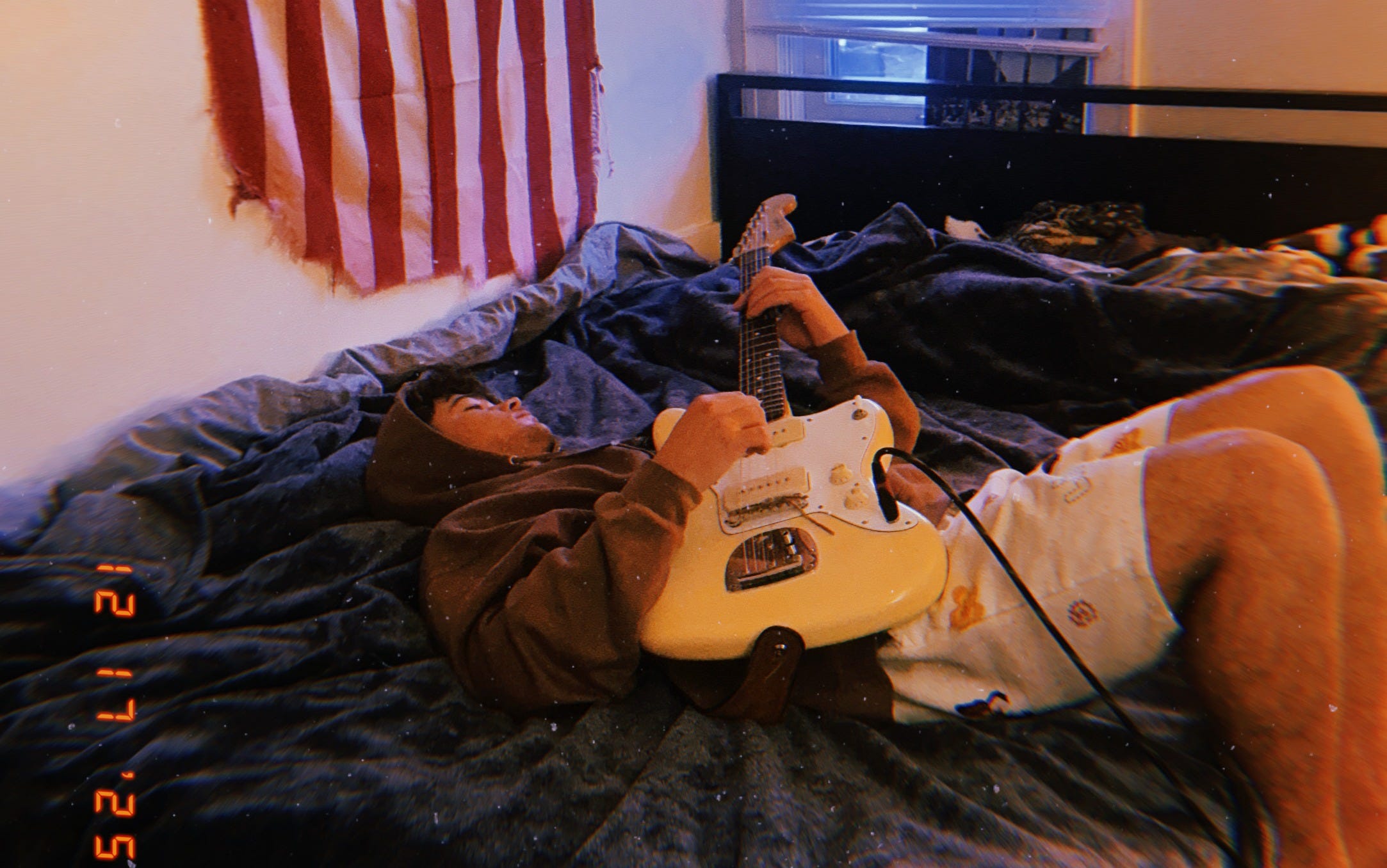
Before you do anything, you have to be open to a transmission of a message.
If your headspace is filled with constant noise and distraction, your intuitions will pass by with no regard.
Not much to say about this part: you either have an idea… or you don’t.
Ideas can come from anywhere, books, music, a walk outside, doing the dishes, the shower, meditation.
Only you know how to best optimize your mind and environment to stay open for creative insight.
Be open. Pay attention.
But when you do get one…
That’s when it’s game on.
Capture it as fast as you can, at least the gist. Expand it later.

Stage one: the vision
First stage for me is always a visionary stage.
This is where I create a world my project can live in and a place I can refer back to when decisions get harder down the line.
I’ll write a paragraph to a page about:
where I am right now
what I’m feeling
what I want to do
why I want to do it
what I want to learn going into it
what I want to accomplish
This gets the creative juices flowing and gives me clarity and direction. Where to start and where to go.
Usually, I’ll find out if the idea is something I truly want… or just a hot-flash impulse.
For a music project, I’ll describe the vibes/genres I want, what instruments I’m feeling, and the kind of energy I want it to carry. (subject to change once specifics appear)
Then I’ll set a time block: when I want to finish. That forces a simple math breakdown, what needs to be done when. Aka: a schedule.
Go as deep or as simple as it feels right here. This stage can look “non-essential,” because it isn’t the work itself, but for me it’s the blueprint that helps me stay true to the vision.
It’s also how you individualize the project and make it yours. Original.
I promise this step shows up later when you need it.
And honestly: this is where I give myself self-inflicted pressure, the good kind, because it clarifies why I’m doing what I’m doing.
“Do not be afraid to exaggerate the role of willpower… it leads to a positive, self-fulfilling dynamic.”
- Robert Greene, The Laws of Human Nature

Stage two: creation
This is where we take the hypothetical and make it real.
The unknown. No-man’s land.
This is where you fuck around and find out:
Make a mess → edit → learn → reshape → repeat.
This is where you meet doubt, unworthiness, flaws, and holes in your plan. It gets more conscious and less intuitive. The fire you had in the visionary stage can start turning stale.
You start forcing solutions. Working harder. Frustration grows.
I assume this is where most people quit.
“Hey, you tried. That counts.”
“It’s just not my thing.”
“I’m not feeling it anymore.”
Reality struck, because you agreed with it.
Nah.
Those feelings are real. They’re supposed to be there.
This is where you prove to yourself you can do it.
If you’re frustrated, it probably needs to be better. That’s a good thing. Don’t settle for a half-realized idea.
And here’s the paradox that saves me:
Let go.
Don’t carry the weight of creation like it’s all on you. Show up, stay open, and let the work move through you.
A creator isn’t creating 24/7. Even pros only write a few hours a day, the rest is life: protecting the conditions that make tomorrow possible. That’s where the subconscious does its work.
So sometimes the best thing you can do for a project is step away from it, go live, move your body, see people, get outside, feed the soul. You don’t just need clarity to receive the idea at the start, you need to maintain that clarity through the whole process.
The biggest blocker here is impatience.
When you stop rushing the outcome and fall in love with the phase itself, time stops being the enemy and becomes your ally.
Stage three: delivery
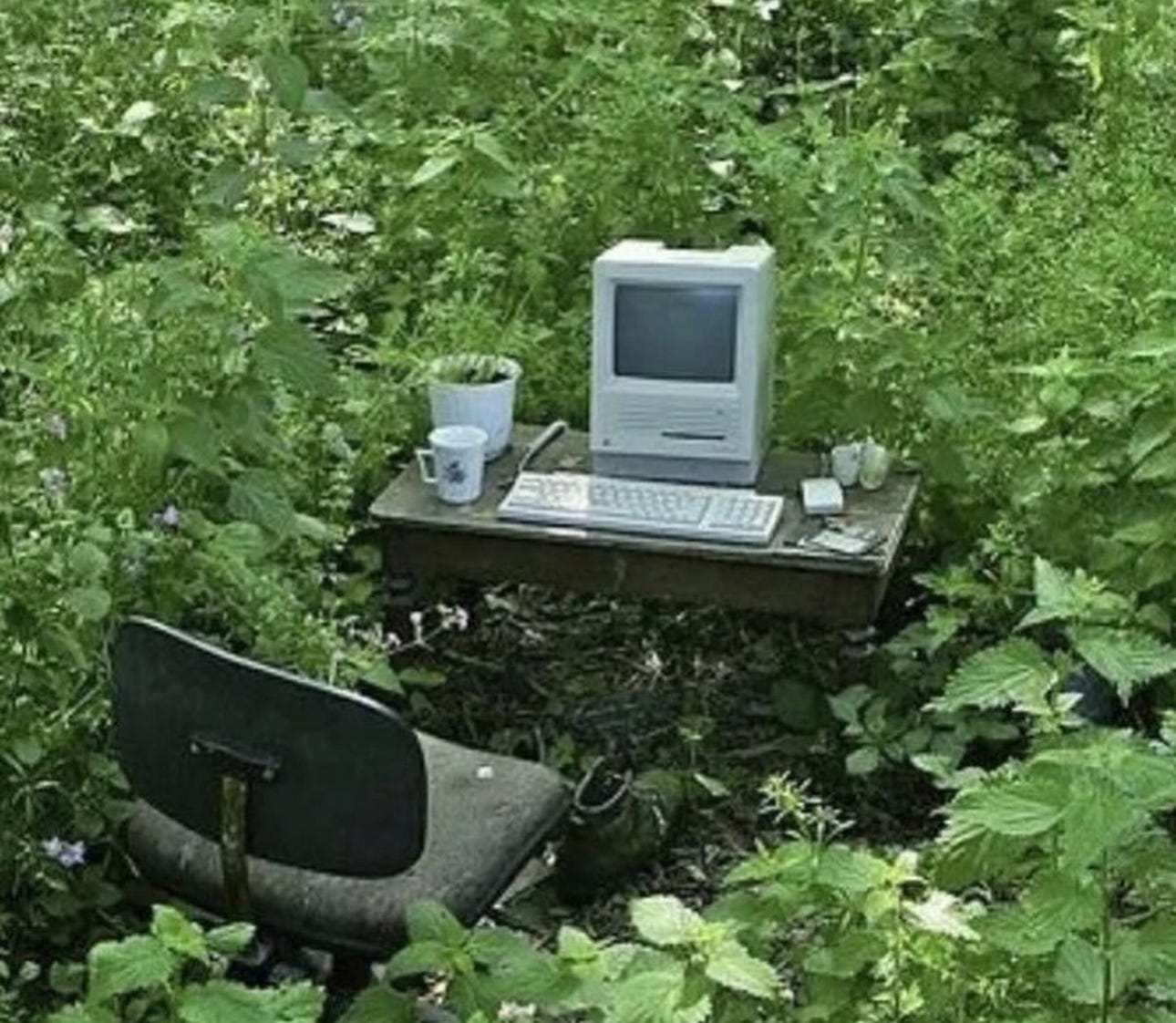
If you survive the trenches of creation, whatever you made will eventually grow up and be ready to ship into the world.
Whether you stay true to your deadline or wait until you feel it’s done, that’s up to you.
This is the moment you find out:
Did your hard work turn into the next big thing?
Or does nobody notice… and it’s demoralizing?
Either way, this phase is where it helps to return to Stage One:
Remember why you did it in the first place.
Look at what you built in Stage Two and admit the truth:
You did it.
From nothing to something.
You followed your inclination, and made a real contribution to society by enriching it with your discoveries, your insights, and your unique angle of being alive.
cool
Do it again.

happy friday
until next time,