
Vulnerability is freedom
be seen

There’s a real kind of freedom in becoming a vulnerable person.
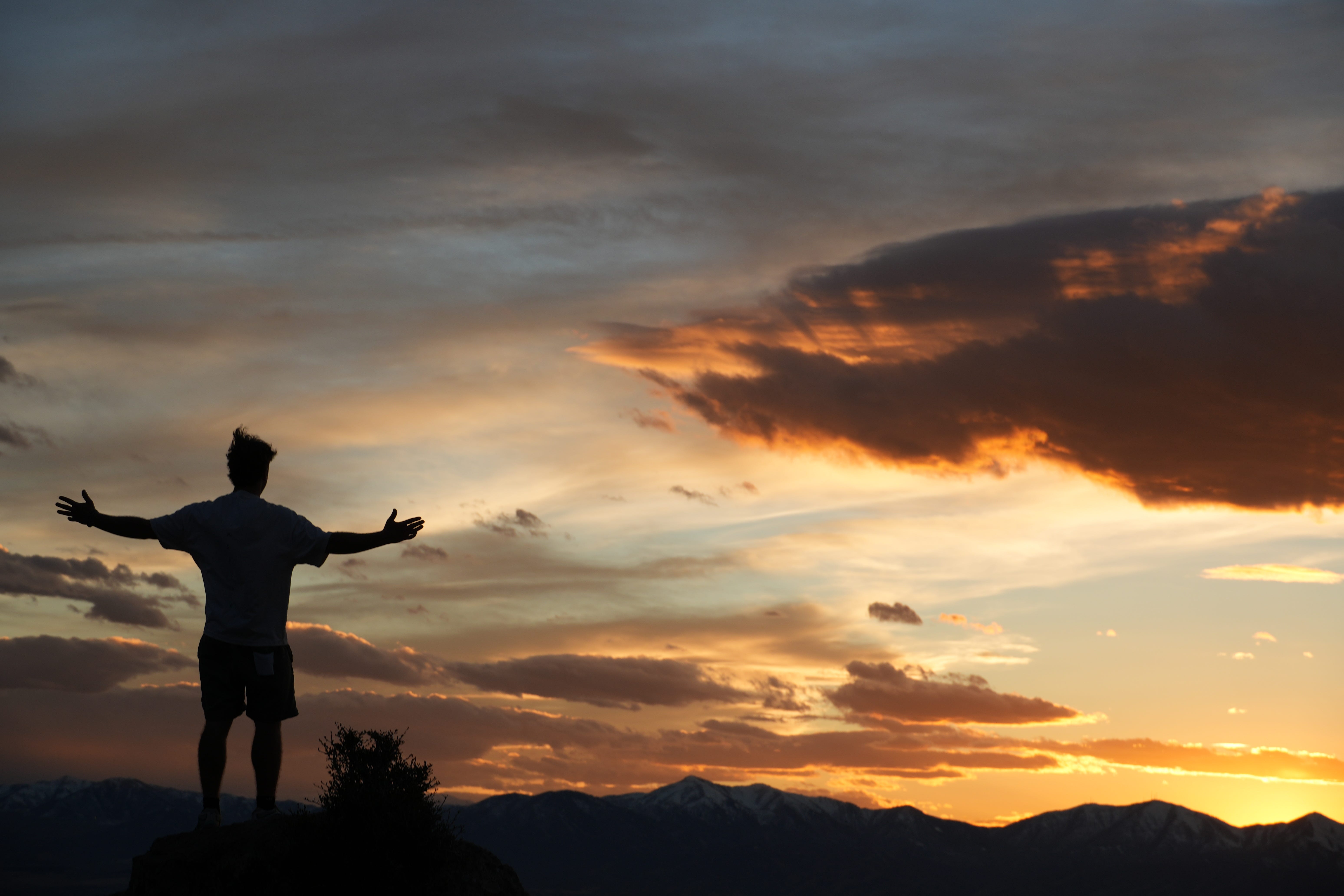
Not vulnerable in the sense of being weak, overly emotional, or constantly exposed. Vulnerable in the sense of being honest and fully seen. No longer building your life around hiding, image-managing, or controlling how you’re received.
Vulnerability is the freedom of being yourself without constantly calculating the outcome.
It’s saying what you mean. Feeling what you feel. Expressing yourself without needing to know exactly how it will turn out. It’s the opposite of self-protection as a way of life.
That’s why it feels so freeing: the moment you stop hiding, you stop carrying the weight of maintaining a version of yourself that was never fully true.
The reframe
A lot of this starts with how you hold your past.
The past can either become weight or wisdom. The events themselves are over, but the meaning you keep attaching to them shapes how you move through the present.
Not every painful thing is good, and not every wound needs to be romanticized. But pain can be transformed. The moment you stop seeing your past as proof that something is wrong with you, it starts becoming material for clarity, depth, and self-understanding.
What once felt like damage becomes direction.
What once felt unfair can become part of the story that made you more honest, more compassionate, more awake.
When you can look back at your life without resentment or shame, the past stops controlling you. It starts guiding you.
On shame
Shame is a loop.
The event happens once. Shame makes you relive it again and again.
That’s what makes it so heavy, not the experience itself, but the story you keep attaching to it.
Shame is a story about the experience, not the experience itself.
The experience ends. The story lingers.
Shame splits you in two: who you are, and who you think you’re allowed to be.
Vulnerability heals that split.
Because the moment you stop hiding, you stop feeding the shame.
What vulnerability actually looks like day to day
Most of the time, vulnerability is simple.
It looks like telling the truth instead of shaping yourself around what sounds best.
It looks like being honest about what you want.
It looks like creating before you feel fully ready.
It looks like dressing in a way that feels like you.
It looks like expressing care instead of pretending you don’t.
It looks like letting life unfold without forcing every result.
It looks like less self-censorship, less performance, and less unnecessary self-protection.
And maybe most importantly, it looks like being more of yourself, not once everything is perfect, but now.
The outcome
The less attached you are to the outcome, and the more connected you are to the root of the action, the more naturally life tends to move.
When you obsess over outcomes, you tighten. You perform. You lose your rhythm. You start acting from fear, scarcity, or the need to prove something.
But when the action is rooted in truth, in love, curiosity, expression, and alignment, something changes. You become more natural. More magnetic. More at peace. And often, the outcome comes more easily because you’re no longer strangling it with attachment.
The deeper point is:
When the root is aligned, life tends to respond.
How to practice it
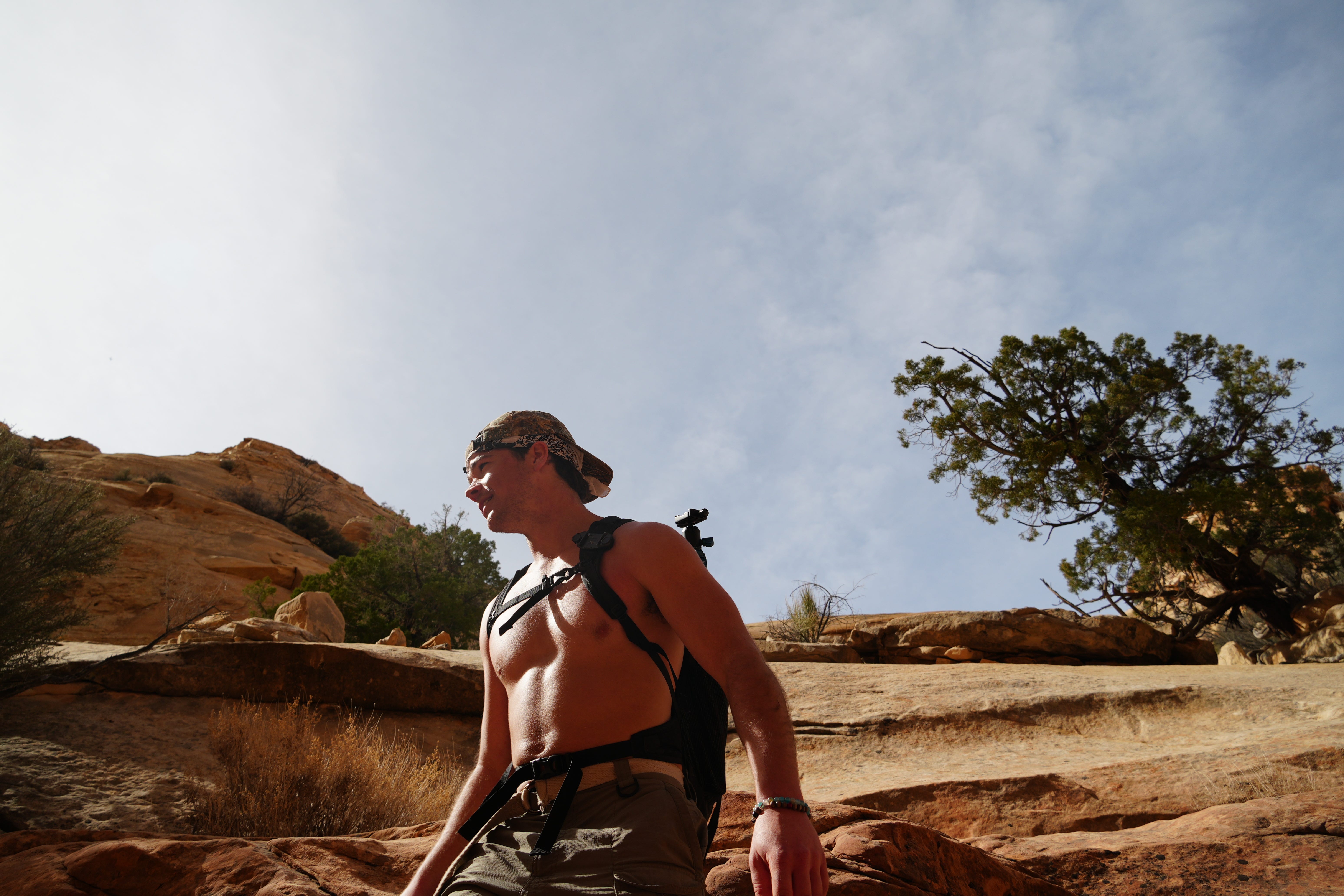
Start with yourself.
Be honest with yourself before trying to be seen by anyone else. Journal. Reflect. Tell the truth to yourself. Let your pain become clear language. Let your experiences become wisdom instead of identity.
Then pay attention to what is actually true about you.
What gives you energy? What drains you? What kind of life feels honest to you? What lights you up? What do you admire? What are you pretending not to want?
From there, express it.
That expression does not have to be grand. It can be in your writing, your clothes, your work, your conversations, your art, your boundaries, or your pace. Vulnerability isn’t always confession. Sometimes it’s just staying aligned to yourself.
It takes patience.
Because living vulnerably also means letting life unfold without demanding immediate proof that it’s working.
The payoff
Once you stop organizing your life around hiding, everything opens.
You stop asking life for permission. You stop waiting to become someone else. You stop living as if freedom is somewhere in the future.
And you begin to realize that much of what you were searching for was already here, not in perfect form, but alive in your life, waiting to be recognized.
Maybe the version of you that you’re chasing is already closer than you think.
Maybe freedom is not something you earn after enough healing, enough success, or enough validation.
Maybe freedom begins the moment you make yourself seen - not to others - but to yourself.
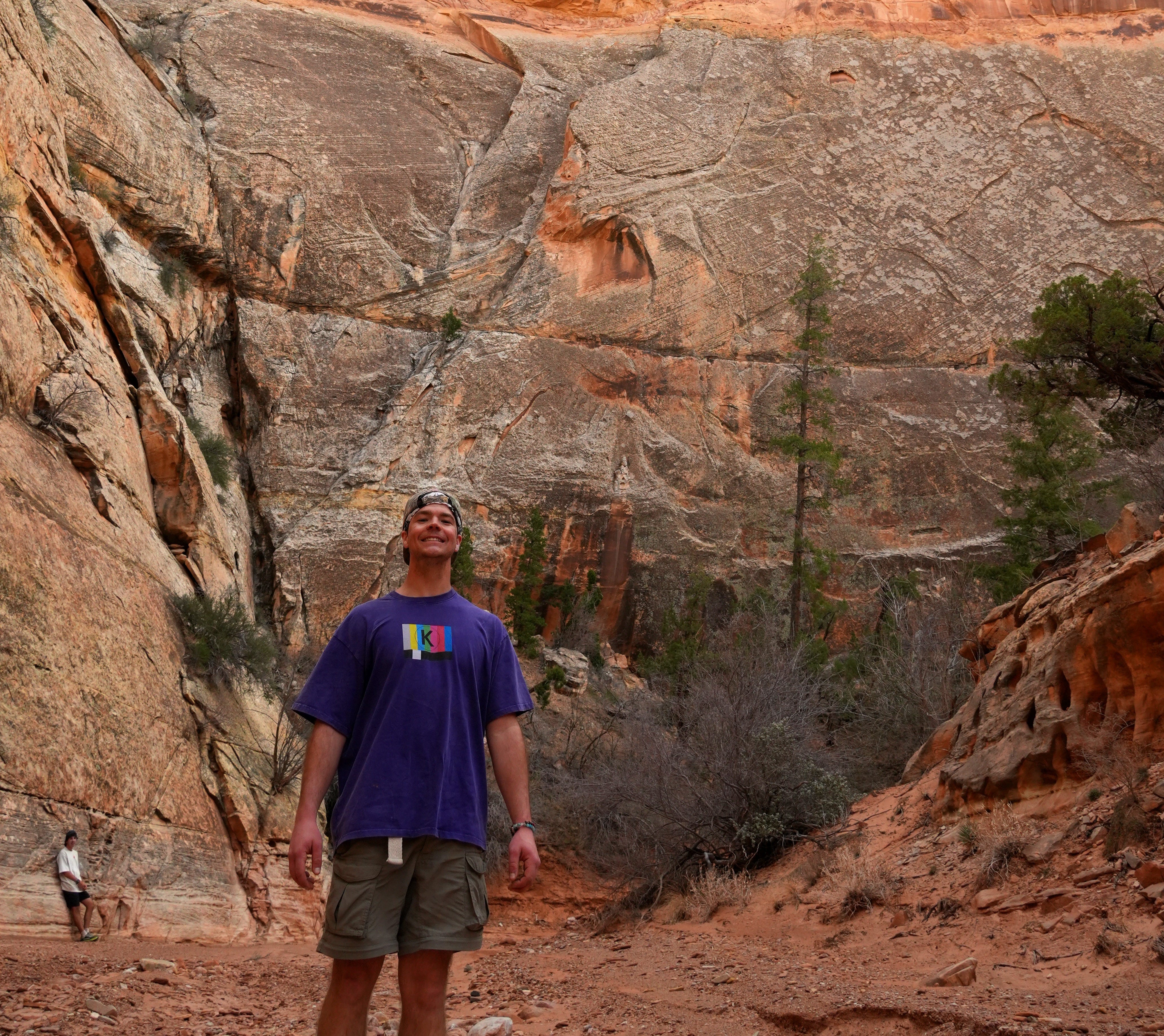
Thank you if you if you made it to the end of this newsletter. Since I started last August this has been the longest break I’ve taken on my letters. Although it actually has been really nice, I love writing these and I find so much happiness from the process I go through when writing. More soon. C u on the next one :)