
nothing to lose

What does it actually mean to have nothing to lose?
To have nothing to lose, you first have to know what’s worth losing.
People usually say “i got nothing to lose” at rock bottom. But what if the real skill is feeling that way before life takes something from you?
Not everything you can lose is equal. I think it falls into three tiers:
Tier 1: Existence (being alive)
Tier 2: Self + Connection (your mind, your health, your relationships, your purpose)
Tier 3: Conditions (money, work, possessions, status, comforts)
It’s easy to live like Conditions are the baseline… but conditions change. Always.

If you’re alive, you’re winning. Everything else is extra.
So “nothing to lose” is just living from the right baseline: Existence first.
But most people measure from Conditions first. So when a job ends, a relationship breaks, or status takes a hit, it can feel like the end of the world.
Not because it is, but because it’s being measured like it is.
So learning Existence-first means choosing discomfort on purpose, loosening your grip before life loosens it for you.
And life happens. Loss happens.
Not good. But clarifying.
The more life takes, the more clearly you see what can’t be taken.
Lose someone too soon, and you learn how finite this is.
Lose a lover or a friend, and you’re pushed to find love and stability inside yourself.
Lose a job, and you’re forced to re-evaluate purpose instead of coasting on routine.
Get injured, and you realize health is a daily miracle you were borrowing without noticing.
The question I’ve been contemplating is: how do you build that baseline perspective without needing life to break you first?
Here are the practices I believe strengthen baseline and create a real “nothing to lose” mentality:
Meditation
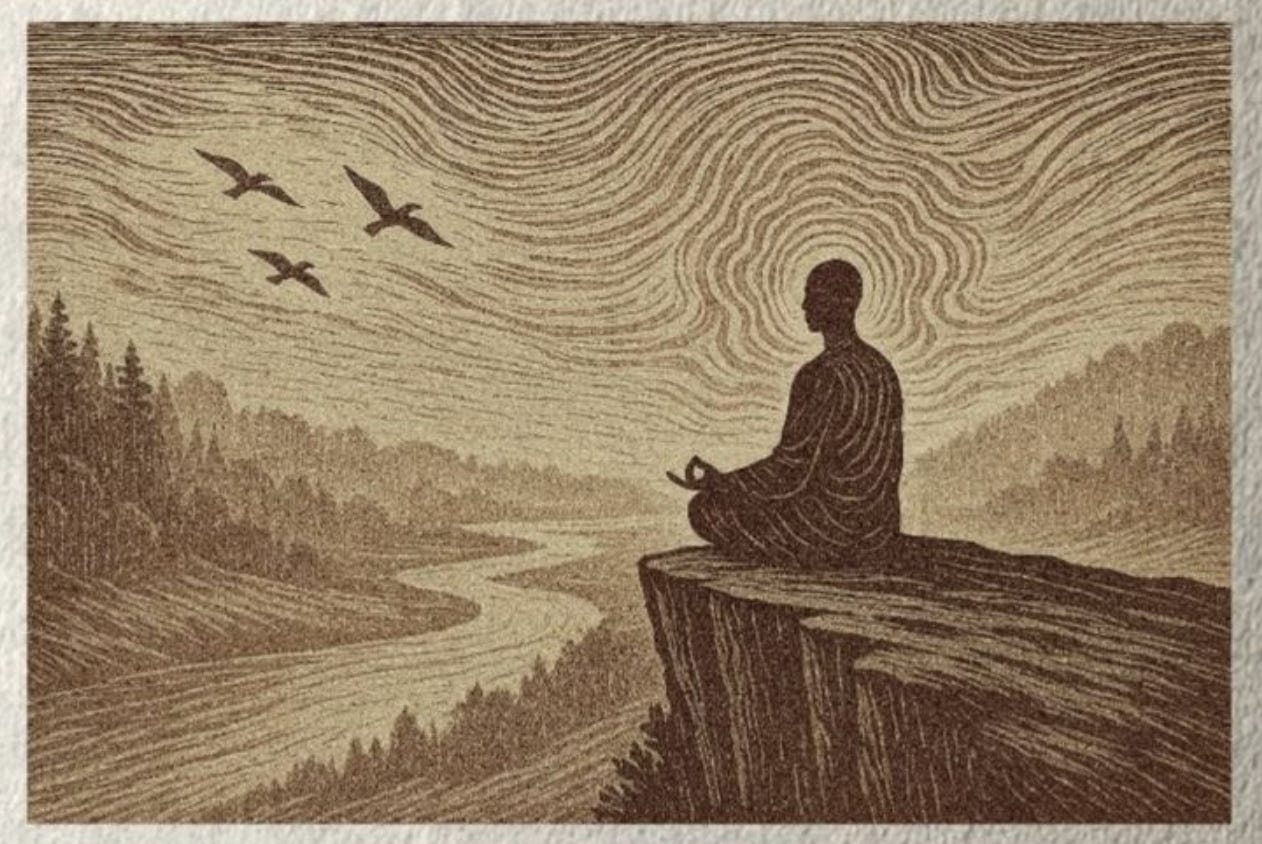
The easiest way to strengthen your baseline is to simply exist in it.
Most days, the moment we wake up, we export our attention: work, social media, events, parties, podcasts, music, TV. The entire day becomes stimulation, and our energy is constantly pulled outward into systems designed to collect it.
Meditation is the opposite. It’s a state of existing for no reason other than itself. You feel your body in space, watch thoughts come and go, and recycle energy back into yourself. It’s time spent appreciating the fact that you’re here, alive, aware, breathing, without needing anything external to confirm it.
Meditation is the practice of being okay with nothing, and realizing that’s already everything.
It’s low-risk, simple, and efficient. You literally sit in silence and observe consciousness do its thing.
The point isn’t to be calm for 10 minutes. The point is to stay conscious when life tries to pull you into reaction. Meditation trains the muscle. Over time, you can stay centered while life happens, you respond instead of react. Mindfulness.
The pen and the paper
The next best way to strengthen your baseline is writing, because writing creates accountability and perspective.
If you don’t document what you’re thinking and how you’re living, your days blur together and repeat by default. It’s easy to fall asleep every night thinking, “Tomorrow I’ll start.” That promise feels good… so you make it again. But nothing changes because nothing gets made real.
Paper makes it real.
The moment you write something down, you can’t hide from it. If you don’t follow through, it becomes obvious why. What you avoided. What distracted you. What story you told yourself. Instead of carrying that fog around in your head, you have something concrete you can learn from and change.
If life is good, journaling is gratitude, documenting the gifts so you don’t sleepwalk past them.
If life is hard, journaling is transmutation, turning the experience into clarity instead of collapse.
Do something significant
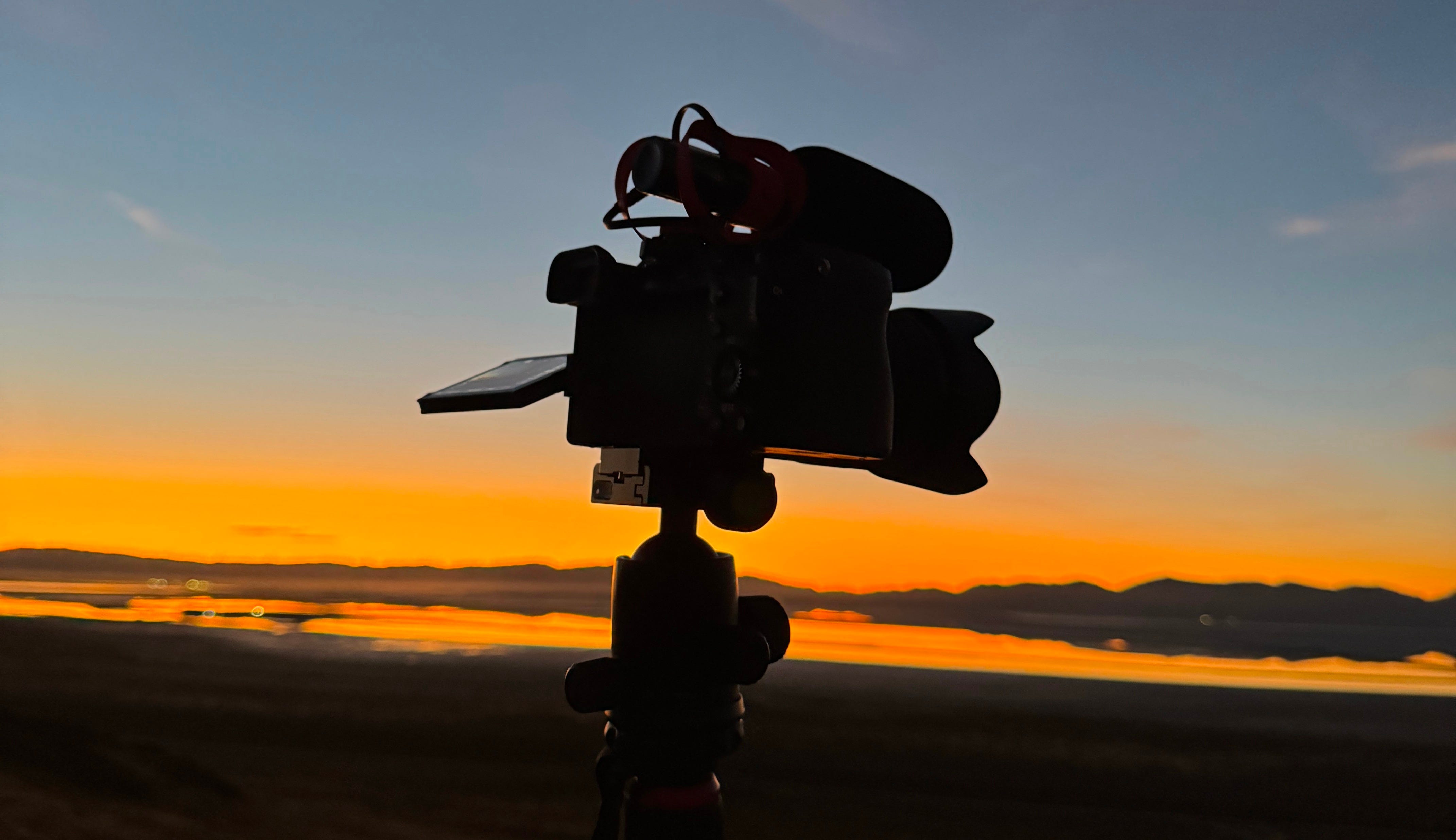
If meditation is one end of the spectrum, doing nothing but observing existence, then the other end is doing something that demands you.
Devote yourself to learning a craft.
Go somewhere far away for a long time.
Climb a mountain.
Make a scary investment.
Work hard as fuck toward a real goal.
Bet on yourself.
Because the fastest way to trust your baseline is to prove to yourself that you can handle life. And once you realize you can survive without perfect conditions, you stop living like you’re protecting something fragile.
When you truly have nothing to lose and everything to gain, the world becomes your playground.
until next time,
So well said. Exactly what I needed to hear